Why Email Marketing Still Dominates in the Digital Age
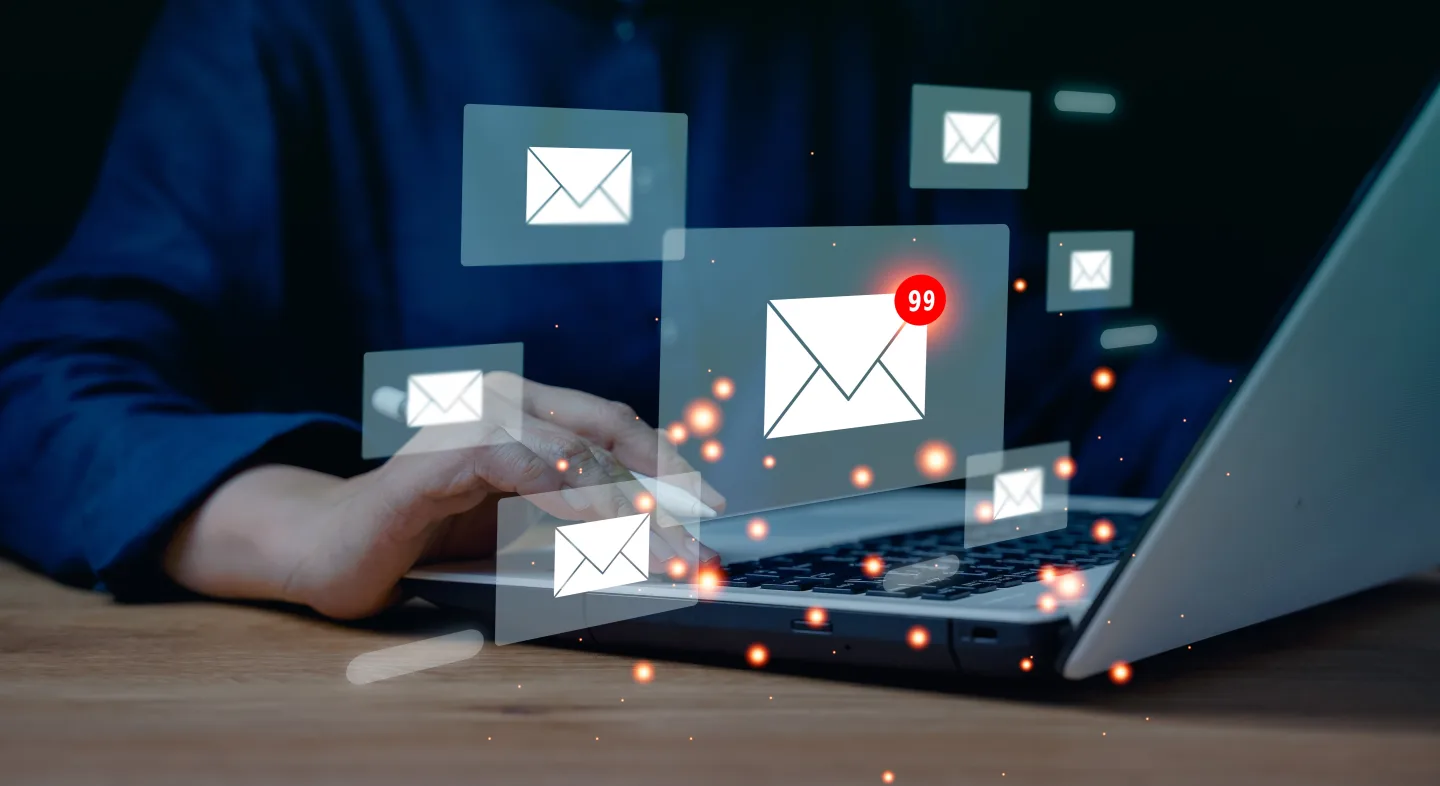
With so many new digital channels such as social media, video marketing, and webinars, it’s easy for businesses to overlook the platforms that have stood the test of time. Yet one tool continues to deliver unmatched results: email marketing. Despite being one of the oldest forms of digital communication, it remains the most reliable and cost-effective way to connect with customers, nurture leads, and boost sales. At FDC, we have seen how email marketing consistently outperforms other strategies, helping businesses of all sizes build stronger relationships and achieve measurable growth. What is Email Marketing? Email marketing is a direct communication strategy where businesses send targeted messages to subscribers’ inboxes. These emails can be promotional offers, newsletters, updates, or educational content. Unlike social platforms, where reach is controlled by algorithms, your email list is entirely your own. This independence ensures you can engage with your audience whenever you choose. How Email Marketing Works Running a successful campaign requires three core elements: Building a Subscriber List Focus on collecting email addresses from people who willingly opt in through your website, landing pages, or incentives such as free guides or discount vouchers. Using an Email Service Provider Platforms like Mailchimp, HubSpot, or ActiveCampaign make it easier to design professional campaigns, automate messages, and track results. Automation is especially valuable for sending personalised messages triggered by user actions, such as welcome emails or cart reminders. Setting Clear Goals Your campaign should always have a purpose, whether it’s to generate leads, increase sales, or improve customer loyalty. Aligning your goals with audience needs makes campaigns more effective. Benefits of Email Marketing Personalisation and Engagement Emails allow you to speak directly to customers. By segmenting your list, you can send personalised content that matches their interests. This leads to higher open and click-through rates. Customer Feedback and Insights Email is a great way to gather customer opinions through surveys and polls. Insights from feedback can help you improve your services and strengthen relationships. Boosting Sales and ROI Email campaigns drive revenue by highlighting offers, promoting new products, and reminding customers about abandoned carts. Studies show segmented campaigns can deliver over 700% more revenue compared to generic ones. Building Customer Loyalty Consistent communication through newsletters or updates builds trust and keeps your brand top of mind, which is key for long-term loyalty. Driving Website Traffic Every email can include links to your website, blog posts, or landing pages. This increases traffic and helps improve search engine rankings. Cost-Effectiveness Compared to print or television ads, email marketing is affordable and delivers a high return on investment. Even small businesses can achieve excellent results with limited budgets. And if you’re still exploring how a professional partner can support these efforts, our guide on what a marketing agency is explains the value of working with experts to maximise results. Full Control Over Your Audience With email, you own your list and data. Unlike social media followers, your subscribers remain accessible regardless of platform changes. Growing Your Email List Here are effective ways to grow your subscriber base: Offer Value : Share free resources, discounts, or exclusive content in exchange for sign-ups. Use Website CTAs : Place sign-up forms on your homepage, blog, and contact pages. Leverage Social Media : Promote your newsletter on platforms like Facebook, Instagram, and LinkedIn. Host Webinars : Event registrations are a natural way to collect emails. Encourage Referrals : Add a “share with a friend” option so subscribers can forward emails to others. Creating Effective Campaigns Segment Your List Divide subscribers based on demographics or buying behavior to ensure they receive relevant content. Write Compelling Subject Lines Your subject line is the first impression. Make it engaging, short, and clear. Optimise for Mobile Most people open emails on mobile devices, so designs must be responsive and easy to read. Use Strong CTAs Every email should encourage an action, whether it’s clicking to read a blog, booking a consultation, or making a purchase. Measure and Improve Track open rates, clicks, and conversions. Run A/B tests on subject lines and content to improve performance over time. Key Statistics that Prove Email’s Value Over 4 billion people worldwide use email daily. More than 60% of small businesses rely on email marketing to connect with customers. Segmented campaigns can boost revenue by more than 700%. Fridays generally show the highest global open rates, while weekends perform lower. According to B2B Marketing, the average email open rate in the UK is around 18%, making it a cornerstone channel for B2B marketers looking to engage decision-makers directly These numbers demonstrate why email marketing is still at the heart of a strong digital strategy. Conclusion Email marketing is far from outdated. In fact, it remains the cornerstone of effective communication for businesses across industries. It allows brands to personalise messaging, drive consistent sales, and nurture lasting customer loyalty all at a fraction of the cost of traditional advertising. At Forward Digital Consultancy, we believe email marketing should be part of every digital marketing plan. By focusing on subscriber growth, personalisation, and consistent value, your business can unlock long-term success and stay ahead of the competition. If you’re ready to take your marketing to the next level, FDC can help you design and execute strategies that deliver results.

Need Help With Your Digital Marketing?
Our team of UK specialists can help your business grow online. Get in touch for a free consultation.